Banff National Park is a world-famous mountain playground, home to outstanding hiking for all skill levels. There is a huge variety in landscapes, elevation, weather and difficulty levels of the hikes in the national park, so you may be wondering what to bring hiking in Banff?
I’ve hiked in Banff National Park my whole life, so I have a good deal of experience in what to bring while hiking in Banff. I’m happy to report that the list of Banff hiking essentials is pretty short, and is mostly geared towards your safety.
Having the proper hiking supplies shouldn’t be a large financial or physical burden on anyone wanting to enjoy the best hiking trails in Banff National Park or Kananaskis Country.

This post contains compensated links.
What to Bring Hiking in Banff
There is a real art in determining what to bring hiking in Banff. On one hand, you want to bring all the necessary hiking gear to ensure you have a fun & safe day of hiking in Banff National Park.
On the other hand, you’ll need to carry all of that hiking gear on your back, so you’d better make sure that you don’t bring too much unnecessary stuff. The good news is that unless you are going on long or difficult hikes in Banff, you typically don’t need a lot of expensive or heavy hiking gear in Banff.
When we head out for a day of hiking in Banff, we usually bring 8 – 10 of these Banff hiking essentials (depending on the situation). This Banff hiking gear is mostly focused on safety gear, but there is some personal comfort items as well.
Everyone’s skill level is different, as are their individual hiking plans. When determining what to bring hiking in Banff, factor in your own situation and plans, but in general we recommend most day hikers bring these ten Banff hiking essentials on their adventures.
10 Banff Hiking Essentials
1. Hiking Daypack
Nearly every person going hiking in Banff is going to need to bring along a variety of hiking gear, so the first item in our list of what to bring hiking in Banff is a good hiking daypack. A quality daypack will serve you well for your trip to Banff National Park and for many years afterwards.
For example, I bought a good quality Vaude hiking backpack over a decade ago. It’s a good size, it fits me well and it has many useful pockets and compartments for my Banff hiking gear.

As you can see, my Vaude backpack now looks old, faded and a little ratty, but I still love my hiking day bag and don’t want to replace it. Investing in a good quality hiking daypack provides good value for your money as it will last many years beyond your trip to Banff National Park.
Features I recommend you look for in a hiking daypack include:
Size
In my experience, a 30L bag is a great size, plus or minus 5L. You could get by with a smaller 20L hiking bag, but I like the functionality and storage a larger hiking backpack gives you.
A larger hiking daypack is useful when the weather in Banff is a little uncertain and you may need to store some clothing layers on top of your hiking gear and your packed lunch.
Hip Support
If you are going to be carrying lots of hiking gear and/or going on longer day hikes in Banff, I recommend you look for a hiking bag which has good load-support technology.
This design feature helps distribute the weight of your hiking daypack between your shoulders to your hips. This saves your shoulders from getting tired & sore, resulting in a much more comfortable hiking experience.

Ventilation
This hiking day bag feature is really nice in warm weather hiking. A typical daypack rests directly on your back, which will quickly turn your back into a sweaty mess.
High quality day bags have ventilation built in. Look for a suspended mesh back panel which rests your hiking day pack on a trampoline. This feature allows air to flow between your back and your daypack, allowing the sweat to more easily evaporate.
Hydration reservoir sleeve
Staying hydrated while hiking in Banff is vitally important. As I’ll discuss below, the best way to transport an adequate amount of water is a water bladder.
Many hiking daypacks will come with a compatible water bladder built in, but at a minimum, ensure your hiking daypack has a storage compartment for your hydration reservoir.
Compartments & Pockets
Some hiking daypacks only come with one large storage compartment, but I find that this makes it harder to find my stuff. I like hiking bags that have the zippered option to have 1 or 2 compartments in the main interior of the daybag.
One of the things I like so much about my Vaude hiking daybag, is that it has a zipper allowing me access to the bottom of the bag. This allows me to easily grab my lunch bag, without having to pull the rest of my hiking gear out of the bag!

Rain Cover
Thankfully the main hiking season in Banff National Park is pretty dry, but it does rain on occasion. When it rains, you’ll be happy to have a rain cover for your daypack, otherwise the contents will get soaked. Rain covers can be bought separately, but many hiking daypacks come with an integrated rain cover.
2. Bear Spray
I recently encountered a grizzly bear while hiking just outside the Banff National Park gates. He was about 15 feet away from me and he stared at me as I slowly backed away. Although the grizzly had zero interest in me, I’ll tell you one thing; I was sure glad I had bear spray just in case!
A chance to see wildlife is one of the most exciting reasons to visit Banff National Park. These mountain landscapes are prime bear territory, with many black bears and grizzly bears calling it home.
As a general rule, bears are not aggressive animals, but there are situations where they may become aggressive. This possibility makes bear spray an essential piece of Banff hiking gear.
Note, you cannot bring bear spray on a commercial flight, including in checked baggage, so buy or rent it after you arrive in Banff.

How to Use Bear Spray
Using bear spray is very easy, but take the time to learn how to use it is in advance, not in the heat of the moment. This short video by Parks Canada shows how to properly use bear spray.
In the very unlikely situation that you need to use your bear spray, you’ll need quick access to it. Some inexperienced hikers store their bear spray inside their hiking bags, but this is a big mistake, which could be very costly.
When I go hiking in Banff National Park, I carry my bear spray in a “The Griz” Scat bear spray belt. This keeps my bear spray safely stored, but readily available in case of emergency.

| TRAVEL BANFF CANADA
────────────── • ──────────────
Saved 27 Banff Posts…
and still not sure your itinerary works?
The problem isn’t a lack of information. It’s too much scattered advice. The Banff & Jasper Planning Hub helps you turn blog posts, shuttle info, Facebook tips, and itinerary ideas into one clear plan.
Workshops
Itineraries
Shuttle help
Restaurants
Discounts
Explore the Banff & Jasper Planning Hub
3. Water Storage
Although most of the day hikes in Banff National Park are well below the altitude where altitude sickness is a risk, many people will notice the effects of the altitude when they arrive.
There is less oxygen in the air in Banff than at sea level, so to compensate, your body breathes faster and shallower, which leads to increased water loss.
Therefore, I always advise people to bring more water than they think they need while hiking in Banff. For example, the Institute for Altitude Medicine suggests drinking an extra 1 to 1.5 litres a day at altitude.

Insulated Water Bottles
For shorter hikes in Banff, we typically fill a couple of vacuum insulated, refillable water bottles and keep them in the mesh side pockets of our hiking daypacks. A 16 to 25 oz bottle per person is good for hikes less than 2 hours long.
Water Reservoirs
For hikes over a few hours long, we use water reservoirs. Nothing beats the convenience of having a large, durable bag of water tucked away in your daypack, easily accessed through a drinking tube. It’s easily the best way to carry a large quantity of water on hot days or long Banff hikes.
4. Sunscreen
While we’re talking about the effects of Banff’s altitude, you may be interested in knowing that UV levels in Banff are approximately 15% higher than at sea level. This means your skin will burn faster here than at home, so use plenty of sunscreen, even on cloudy days.


Let me Help with Your Banff Itinerary?
We have a suite of Banff Travel Planning services that can take all the guesswork out of planning your trip! Book a 1 hour travel consultation or let me create a custom Banff Itinerary for you!
5. Insect Repellent
Thankfully mosquitoes aren’t a big problem for hikers in Banff. That said, mosquitoes tend to be around Banff hiking trails between June and August, with the peak mosquito season occurring in late-June and early July.
Wearing long-sleeve shirts and hiking pants will help Banff hikers avoid mosquito bites, but for the areas you can’t cover, bring some mosquito spray.

6. Hiking First Aid Kit
Whenever I go hiking in Banff, I always tuck a small, lightweight first aid kit into my hiking daypack. These small first aid kits are made specifically for outdoor adventures, so you’ll find that the selection of medical gear is quite thoughtful towards hikers.
7. Garbage Bags
Over 4.5 million people visit Banff National Park every year. This puts enormous pressure on the ecosystem and everyone needs to do their part in keeping Banff a pristine wilderness environment.
In the U.S., park rangers teach kids to pick up three pieces of garbage every time they go hiking, even if it doesn’t belong to them. I love that idea. Imagine if everyone did that?
Thankfully, the hiking trails in Banff National Park are amongst the most clean hiking trails I’ve seen anywhere in the world, so chances are that you won’t even see three pieces of garbage.

If you pack a small garbage bag with you, this will enable you to pack out all your trash, and may even allow you to pick up the odd piece of random garbage along the way. Your fellow hikers, and all of Banff’s beautiful wildlife will thank you!
8. High Energy Hiking Snacks
Hiking around Banff National Park can be quite challenging, so make sure your body has the energy and nutrients it needs to get you safely to the finish line.
In addition to any proper meals (lunch, etc.) that you pack in your hiking day bag, I recommend you pack some small, high energy snacks to help keep your energy up. When I go on a challenging hike in Banff, I prefer to pack calorie & nutrient dense options like trail-mix, raisins or power bars.

9. AllTrails Hiking App
Whenever I go hiking around Banff National Park (and around the world), I almost always use the AllTrails app (a recent Apple App of the Year winner) on my phone. As you can see by my map of activities, I have logged over 500 activities around Banff on AllTrails!
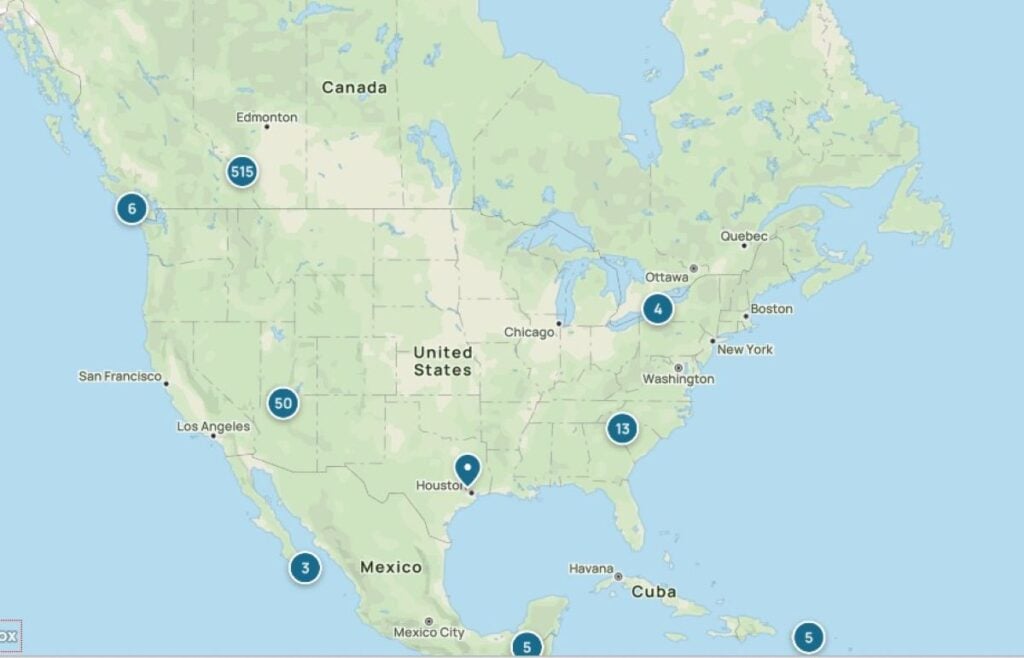
I use the AllTrails app for many reasons:
Before I go hiking in Banff, I look at the trail map to gauge the overall difficulty and estimate how long the hike will take. I then download the trail map before leaving home, so I can access it even without a cell signal. (It’s rare to have a reliable cell signal on hiking trails in Banff).

While on the hiking trail, I record my progress on AllTrails. Not only does this give me a record of my activity and hiking stats at the end of the hike, but it allows me to see my current position vs the hiking trail. This is very helpful to find the trail again if you take a wrong turn.

Banff App Pick: AllTrails
AllTrails is one of our most recommended apps for visiting Banff, and your trip is the perfect time to try AllTrails Plus. Start with the 7-day free trial to download maps, save hikes, and use premium features before heading into the mountains.
10. Gem Trek Hiking Maps
In my experience, the Banff hiking maps are almost always accurate on AllTrails, but that can never be guaranteed. Recently, Alberta Parks issued a warning, asking hikers not to solely rely on AllTrails.
Alberta Parks recommend that hikers research their hike ahead of time and to have a Gem Trek topo map with you.
Note: To help you research your Banff hikes ahead of time, we have lots of great blog posts on the most popular hikes around Banff.

I love that Alberta Parks gave a shout-out to Gem Trek topo maps. I’ve been a huge fan of Gem Trek hiking maps for decades, in fact I own the whole set.
Personally, I love looking at my Gem Trek maps to plan my hiking adventures in Banff. I love spreading it out on my kitchen table, learning more about the mountains I love and the hikes that wind through them.
If you are planning a trip to Banff, I recommend picking up the relevant maps. They will not only help you plan your Banff hikes, it’s a great safety backstop, and it’ll be the perfect souvenir of your great hikes in Banff.

My Mom and I got lost while hiking in Banff when I was a kid, and it was a very scary experience. If you pick up a Gem Trek map, take the time to learn to read a topo map and how to use a compass (both are easier than you think!)
The two most useful Gem Trek maps for hiking in Banff are the Banff and Mount Assiniboine map and the Lake Louise and Yoho map. If your adventures take you further afield, then check out the full Gem Trek collection.
Read More
If you plan on doing lots of hiking during your trip, check out our 5-day hiking itinerary for Banff National Park.
Do You Need Hiking Boots for Banff?
One of the questions we hear most about Banff hiking gear, is “Do I need hiking boots for Banff?”.
Generally speaking, if you are planning on hiking the most popular, front-country trails in Banff, you’ll be ok with a good pair of hiking shoes. I typically only wear my hiking boots in Banff, when I am doing a more challenging hike, which may involve longer distances, some loose rock or scrambling.
We discuss the hiking shoes vs. hiking boots for Banff question in more detail in our post on What to Wear Hiking in Banff National Park,

Guided Banff Hiking Tours
Want to enjoy some of the best hikes in Banff with a guide? Check out these Signature Banff Hikes from Discover Banff Tours.
Optional Hiking Gear for Banff National Park
Before bringing anything on this optional Banff hiking gear list, ask yourself if you really need to bring it. Keep in mind you’ll be carrying this stuff on your back. Bring only what is required for your level of activity and/or what is important to you. Leave the rest at home.
Trekking Poles
Hiking poles are the most popular optional hiking gear available and you’ll see lots of people using them hiking in Banff National Park & Kananaskis Country. Hikers like using trekking poles for balance and to make it easier on their knees when going downhill.
Personally, we own trekking poles, but we don’t use them often. If you are uncomfortable hiking downhill, or would like to take some pressure off your knees, hiking poles will be a great idea for you.

Picnic Blanket
We almost always plan to have lunch while on our Banff hikes, but we almost always forget to bring a picnic blanket with us. We survive by finding a fallen tree or large rocks to sit on, but I enjoy the small luxury of having a picnic blanket to sit on. Hiking picnic blankets pack down really small and won’t take up much room in your hiking day bag.

Swiss Army Knife
I love my Swiss Army Knife. They’re so small, yet so useful. Throw one in your hiking daypack, you’ll be glad you have one!
Just don’t forget to take it out of your daypack on your flight home. I once forgot and nearly cried as the airport security guy took my beloved Swiss Army Knife away!

Whistle
Speaking of really useful, yet tiny, hiking gear, we suggest you throw a whistle in your hiking bag. If you get lost, a whistle can be very effective in helping others find you. Local wilderness guides recommend the tiny Fox 40 Classic; it can make a noise as loud as a rock concert!
Portable Water Treatment
The water from streams and lakes is not safe to drink while hiking in Banff National Park. From LifeStraws to water purification tablets, there are several water purification options which won’t take up a lot of room in your hiking pack.
Having water treatment technology with you isn’t typically necessary while hiking in Banff, unless you are on a long day trip or multi-day hike. Having a full water bladder in your daypack should almost always be enough.
Banff Nature Guide
Having a pocket size nature guide will help you identify the beautiful animals, birds, trees and shrubs you’ll encounter while hiking in Banff National Park. You can find many excellent Banff nature guides in shops around the Town of Banff.

Moleskin
Chances are that your first aid kit won’t have moleskin in it. Hiking in Banff often means walking on uneven ground over rocks and tree roots, which shifts your feet around inside your hiking boots. If you are susceptible to getting blisters, you’ll be glad to have a small strip of moleskin with you.
Banff Hiking Gear Not to Buy
Bear Bells
Unless you love the sound, please resist the urge to buy bear bells; Parks Canada says bear bells are not effective, plus you will have to live with the jingling noise all along the trail. Talking, calling out, clapping, or singing loudly is your best bet for bear safety in Banff.
If we’re not talking, singing or laughing on the trail, we let out a very loud “Whoooooooop!!” every now and then, just to let the bears know we are there.
Wildlife Safety
When hiking in Banff National Park, you are responsible for your own safety. Before hitting the hiking trails, we highly recommend you read our Essential Banff Hiking Tips for information about bear safety, trail conditions, wildlife warnings and possible closures.
What to Wear Hiking in Banff National Park
Having the right hiking equipment is only half the battle. The next step is to determine what to wear hiking in Banff. The weather can be highly variable during the main hiking season, so I recommend you take some time to learn about how to dress properly.
We hope you found our list of Banff hiking essentials useful and that you love hiking in Banff as much as we do!

Support Human Created Content

Hi, we’re Dan & Celine Brewer, locals from just outside Banff National Park. Every article, itinerary, and recommendation we share is rooted in our real experiences and love for this place. If you’ve found our content helpful, please consider supporting us:
- Make a small donation: Your support directly fuels our work and keeps our stories genuine.
- Purchase a guide or itinerary: Essential tools that help plan your trip and support local creators at the same time.
- Book lodging or tours through our affiliate links: You pay the same price, but we earn a small commission that helps us keep producing content.
Thank you for valuing authentic, human-created content. Your support allows us to help even more Banff travellers!
Love our content? Sharing our post is the easiest way to support us!


Dan Brewer, a life-long Alberta resident, calls Canmore home along with his wife and two kids. He is the co-owner of Travel Banff Canada, where he gets to share his passion for the Canadian Rocky Mountains. Dan, along with his family, love being outdoors doing one of the many activities they enjoy in the mountains: hiking, mountain biking, paddleboarding, skiing, snowshoeing and cross-country skiing.
When he's not in Canmore enjoying one of his favourite local hikes, you can find him hopping on a plane to explore a new country with his family or working on one of their other two travel sites: Family Can Travel and Baby Can Travel.